Welcome to Our Company
 English
 Spanish
 French
 German
 Italian
 Chinese (Simplified)
 Japanese
 Korean
 Arabic
 Portuguese

 Send Inquiry
25 Tpd Cattle Feed Plant
MOQ : 1 Unit
25 Tpd Cattle Feed Plant Specification
- Type
- Feed Plant
- Material
- Stainless steel
- Automatic Grade
- Automatic
- Voltage
- 220-380 Volt (v)
- Color
- Green
25 Tpd Cattle Feed Plant Trade Information
- Minimum Order Quantity
- 1 Unit
- Payment Terms
- Cash Advance (CA), Cash in Advance (CID)
- Supply Ability
- 2 Units Per Month
- Delivery Time
- 1 Months
- Main Domestic Market
- All India
About 25 Tpd Cattle Feed Plant
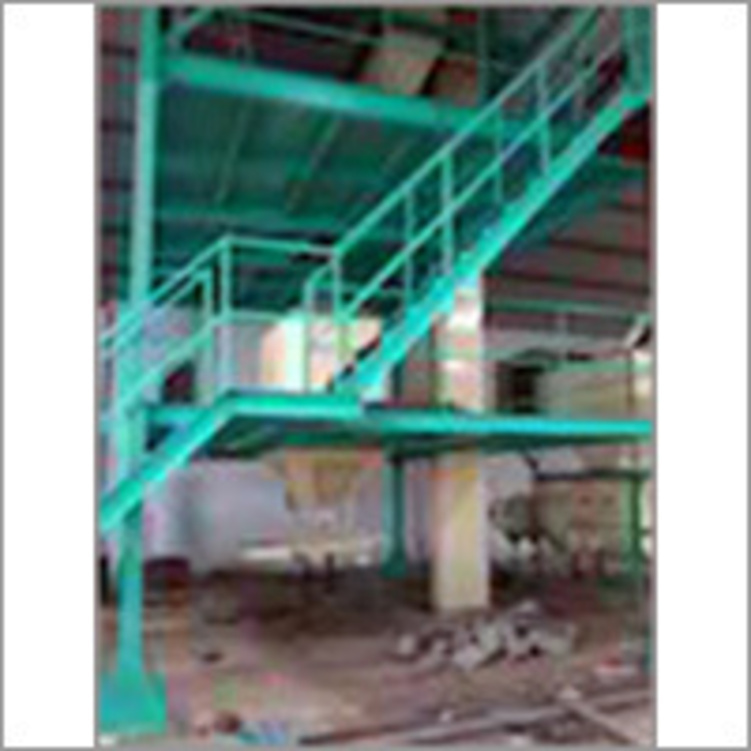
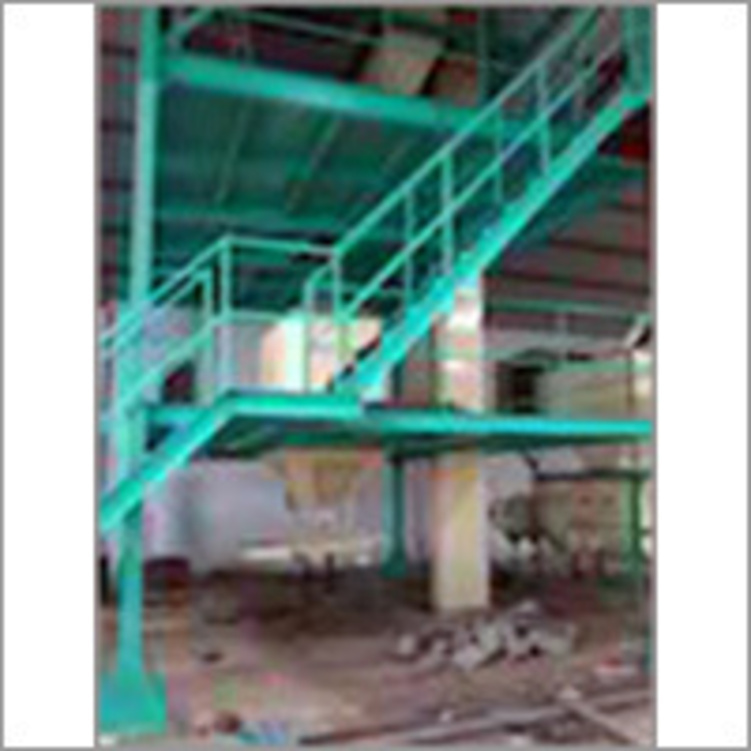
The 25 TPD Cattle Feed Plant is a compact, high-efficiency solution designed for small to medium-scale livestock feed production. Capable of producing 25 tons per day, it converts raw ingredients like maize, soybean, and wheat into balanced, nutritious cattle feed, ensuring optimal animal growth and health. The plant features advanced grinding, mixing, and pelleting equipment, offering uniform feed quality and minimal wastage. Its user-friendly design allows easy operation, maintenance, and scalability. Ideal for farms, cooperatives, and feed manufacturers, this plant delivers consistent performance, energy efficiency, and reliable output, supporting sustainable and profitable livestock farming.High-Capacity and Automated Operations
With a production capacity of 25 tons per day, this cattle feed plant features a fully automatic grade, minimizing manual labor and optimizing consistency. The integration of automated control panels ensures precise batch management and seamless process flow, reducing downtime and maximizing output for cattle and dairy farms.
Premium Stainless Steel Construction
Manufactured from high-grade stainless steel, the feed plant offers exceptional resistance to wear and corrosion. The design is easy to clean and maintain, supporting stringent hygiene standards vital for the livestock feed industry. Its durable build guarantees long-lasting performance, even under intensive use.
Renowned Exporter and Supplier from India
As a trusted manufacturer, exporter, and supplier based in India, we serve both domestic and international markets. Our feed plants comply with quality standards and are tailored to meet diverse customer requirements. Support, installation, and after-sales services underscore our commitment to client satisfaction.
FAQ's of 25 Tpd Cattle Feed Plant:
Q: How does the automatic grade of the 25 TPD Cattle Feed Plant improve operational efficiency?
A: The automatic features streamline the entire feed production process, minimizing manual intervention. Automated controls enable precise ingredient mixing, accurate batching, and smooth operation, which leads to enhanced productivity, consistent feed quality, and reduced labor costs.Q: What types of feed can be processed using this cattle feed plant?
A: This plant is designed to produce various types of cattle feed, including mash, pellets, and crumbles, suitable for dairy and beef cattle. It can handle a wide range of ingredients, allowing you to customize feed formulations to meet specific nutritional requirements.Q: When is the ideal time to install a 25 TPD Cattle Feed Plant on your farm?
A: The best time to install a high-capacity feed plant is when your cattle operation requires continuous, large-scale feed supply, or when you plan to expand your livestock business. It's also beneficial if you want to improve feed uniformity and reduce reliance on external feed suppliers.Q: Where can this feed plant be installed, and what are the space requirements?
A: The plant is suitable for installation at large farms, cooperatives, or commercial feed production sites. Adequate covered space with access to power supply (220-380V) and proper ventilation is essential. The exact layout can be customized according to your facility's available footprint.Q: What is the typical process flow in this automatic cattle feed plant?
A: The feed production process involves automatic intake and weighing of raw materials, grinding or crushing, mixing for uniformity, conditioning, pelletizing, cooling, and finally packaging. Each stage is monitored and controlled for consistent quality and efficiency.Q: How should the finished feed be used and stored for maximum benefit?
A: After processing, the cattle feed should be stored in dry, clean, and ventilated areas to maintain freshness and prevent spoilage. Use the feed as per livestock nutritional needs, ensuring proper rotational use to support cattle health, growth, and milk yield.Q: What are the key benefits of investing in a 25 TPD stainless steel cattle feed plant?
A: Key benefits include high production capacity, automated efficiency, improved feed quality, reduced waste, and lower labor expenses. The stainless steel build ensures hygiene and long service life, while the modern technology supports consistent results vital for livestock productivity.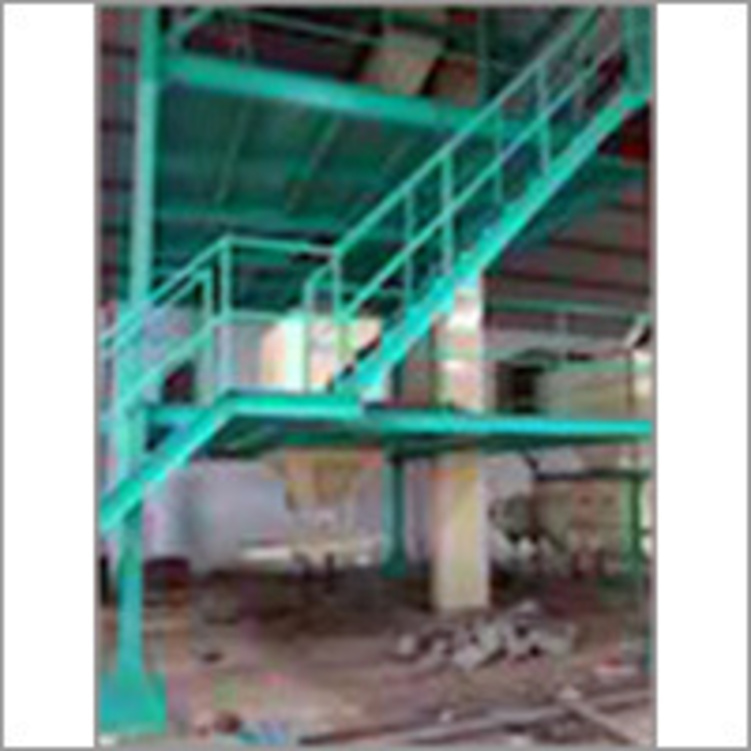
Tell us about your requirement

Price:
Quantity
Select Unit
- 50
- 100
- 200
- 250
- 500
- 1000+
Additional detail
Mobile number
Email

More Products in Cattle Feed Plant Category
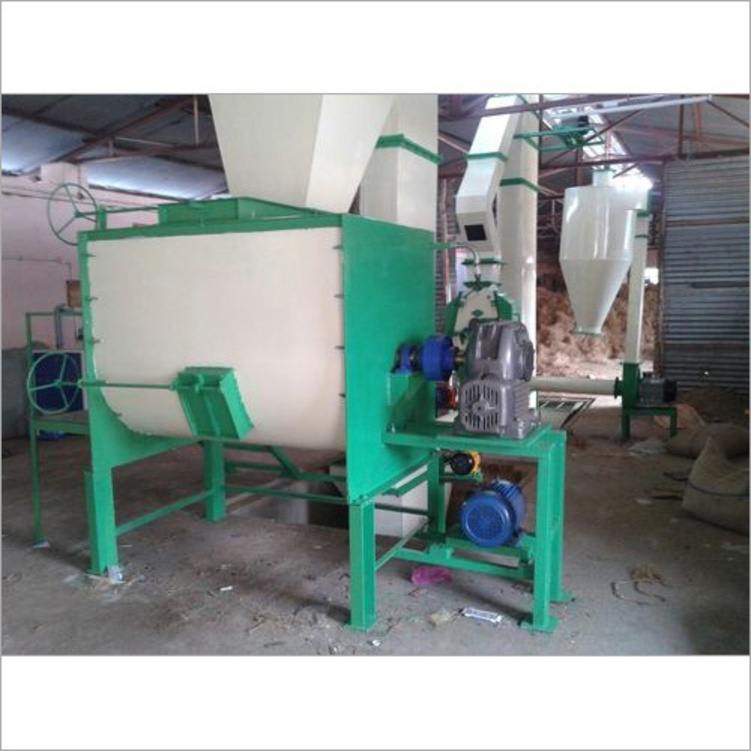
Cattle Feed Plant
Price Range 100000.00 - 1000000.00 INR / Piece
Minimum Order Quantity : 1 Unit
Automatic Grade : Automatic
Material : Stainless steel
Type : Feed Plant
Color : White And Green
High Quality Cattle Feed Plant
Price Range 100000.00 - 1000000.00 INR / Piece
Minimum Order Quantity : 1 Unit
Automatic Grade : Automatic
Material : Stainless steel
Type : Feed Plant
Color : Silver
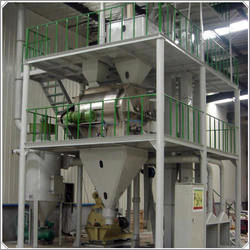
Computerized Cattle Feed Plant
Price Range 100000.00 - 1000000.00 INR / Piece
Minimum Order Quantity : 1 Unit
Automatic Grade : Automatic
Material : Stainless steel
Type : Feed Plant
Color : Cream
Cattle Feed Mash Plant
Price Range 100000.00 - 1000000.00 INR / Piece
Minimum Order Quantity : 1 Unit
Automatic Grade : Automatic
Material : Stainless steel
Type : Feed Mash Plant
Color : Red And White

NIRVAIR ENTERPRISES
customer satisfaction is our motto
customer satisfaction is our motto
Contact Details

- Plot No.D-110, Focal Point,Khanna - 141401, Punjab, India
- Phone :08045478769

- Mr Ganda Singh (Proprietor)
- Mobile :08045478769
-
 Send Inquiry
 Send Inquiry
 Send Inquiry
 Send SMS
NIRVAIR ENTERPRISES
All Rights Reserved.(Terms of Use)
Developed and Managed by Infocom Network Private Limited.
Developed and Managed by Infocom Network Private Limited.

